
Who We Are
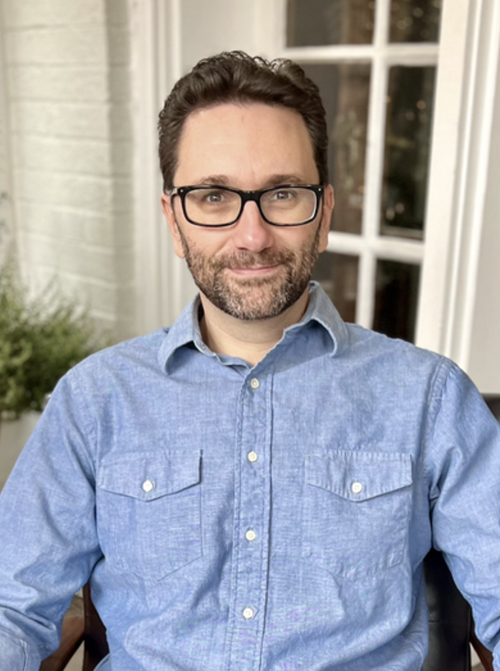
YGG is run by Isaac Askew, a principal software engineer who takes on a small number of YGG clients at a time. He spent five years on a payments platform handling 50,000+ bill submissions a month, where he put an AI voice agent into production behind guardrails in the platform’s own code, used Claude Code daily on payments code, migrated the platform to a new sponsor bank without a rewrite, and took a legacy PHP codebase from zero tests to 343. He founded VenuNite, an events platform he built solo with AI tooling and now runs with agent lanes on headless Claude Code. Through Operating Co. he has embedded with a PE-backed manufacturer’s pricing team as a forward-deployed engineer. He co-hosts Never Rewrite (170+ episodes) and co-wrote The Rewrite Trap. His full record is on his resume. Jeffrey Sherman, Rocco Palladino and Jacob Porter are forward-deployed engineers who join engagements when they’re needed. Rocco has been embedded with Universal Gem since early 2026.
We’ve seen what happens when an AI pilot never reaches production, a rewrite goes sideways, or a system keeps breaking under the people who depend on it. So we don’t show up with a one-size-fits-all plan. We sit with the people who do the work, tell you honestly what we think, and then do the hard parts carefully.
What Forward-Deployed Means Here
A forward-deployed engineer works where the problem is: inside your team, your repo and your pipeline, talking to the people who will use what gets built. We start from recorded conversations with those people and turn them into personas and a short list of invariants no change may break. We demo every week to them, not just to engineering. And we hand off with playbooks, tests and alerts, so your team owns the result.
How We Put AI Agents Into Production
The rules live in your code, not in the prompt. Business hours, do-not-call lists, spending caps and allow lists are code with tests. Every agent gets an off switch that works without a deploy, goes to a slice of traffic first, and has every failure mode mapped to an outcome code you can see. Evals and production evidence decide when it may do more. That’s how a voice agent went from a vendor to in-house and now pays 1,000+ bills a month.
How We Set Teams Up With Agentic Tooling
We use Claude Code and similar agents every day on production code, and we gate them the way we gate ourselves: tests, review, and production evidence. For your team that means repo contracts the agents follow, gates that treat an agent’s pull request exactly like a human’s, scheduled headless lanes for bounded recurring work, and MCP servers that put your own data within an agent’s reach. VenuNite runs this way today.
Why We Still Never Rewrite
AI lands badly on a platform nobody trusts, and a rewrite is the fastest way to lose the trust and the fixes a system has picked up over the years. So we modernize the system you already run, one shippable step at a time: tests around the risky paths, pieces moved out behind flags, infrastructure and databases fixed where they’re slow. Your team keeps shipping the whole way through.
When to Avoid a Full Software Rewrite
A company should avoid a full software rewrite when the existing system is actively supporting the business, when requirements are still changing, or when the risk of not delivering outweighs what you’d gain from a cleaner architecture. In those situations, refactoring incrementally and modernizing the parts that need it usually works out better, with a lot less risk.
Where to Read More
Our Never Rewrite podcast covers modernization and, increasingly, what AI and agentic coding do and don’t change about it, with real examples from teams running production systems. The pattern library collects the eight patterns we bring to every engagement.
How We Engage
We work alongside your internal team, start from the system as it is today, and focus first on the changes that pay off right away. Most engagements begin with a two-week AI deployment assessment, where we find where AI can take work off your team, where the risk is in the system it would land on, and what to measure before anything expands.
You can schedule a consultation to talk through your system and see if we’re a good fit, or read about how engagements work and what they cost first.
Why This Works
We skip the big, speculative bet, whether that’s a rewrite or an AI project with no path to production, and go for steady, measured improvement instead. Your team ends up with a system that’s more capable, easier to understand, and easier to maintain, and you can keep changing it without betting the business on one decision.